Source Anti-Wrinkle Work Bib Pants for Maintenance Mining Chemical
Compare 30 anti-wrinkle work bib pants from verified factories in China. Explore options with flame retardant features, custom logos, and fabrics suitable for maintenance, mining, and chemical industries.
Key considerations
Products List


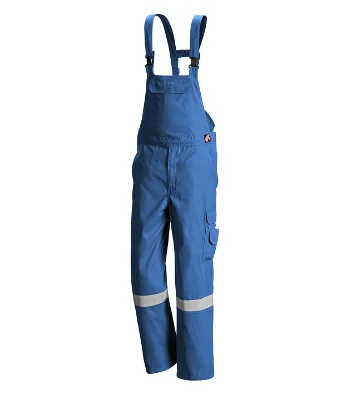
High Quality Cotton Polyester Workwear Coverall Safety Working Bib Pants
$6.59 - $10.25
MOQ: 1000 Pieces




Comprehensive Sourcing Guide
Strategic Sourcing Guide for Anti-Wrinkle Work Bib Pants
The global demand for durable, functional, and compliant workwear continues to drive procurement strategies across industrial sectors. Among the most critical items in a safety uniform inventory are anti-wrinkle work bib pants, which serve as the primary protective barrier for workers in maintenance, mining, and chemical processing environments. Sourcing these garments requires a disciplined approach that balances technical performance, regulatory compliance, and cost efficiency. This guide provides a comprehensive framework for buyers to evaluate suppliers and select products that meet rigorous operational standards without relying on unverified claims or speculative data.
Technical Specifications and Material Composition
When evaluating anti-wrinkle work bib pants, the foundation of the decision lies in the material composition and physical specifications. The supplied data indicates a prevalent fabric blend of 65% polyester and 35% cotton. This specific ratio is often selected to balance the durability and moisture-wicking properties of synthetic fibers with the comfort and breathability of natural cotton. The fabric weight is a critical differentiator, with observed standards ranging from 240g/s. m to a heavier range of 260g/s. m to 320g/s. m. Buyers must verify that the selected weight aligns with the specific thermal and abrasion resistance requirements of their industry.
The structural design of these pants is equally important. The "Side Open" structure is a common feature, facilitating ease of movement and allowing for the integration of additional safety gear or tools. The product style is consistently identified as "Trousers" with a "Bib" configuration, offering superior coverage for the torso and upper legs. Length specifications vary, with options available in "General Long" and "Lengthen" variants to accommodate different worker statures. Thickness is generally categorized as "Normal" or "Medium," which directly correlates to the garment's ability to withstand mechanical stress without compromising flexibility.
| Feature Category | Observed Specifications | Procurement Verification Point |
|---|---|---|
| Fabric Blend | 65% Polyester / 35% Cotton | Verify exact percentage and fiber quality. |
| Fabric Weight | 240g/s. m to 320g/s. m | Confirm weight matches industry hazard level. |
| Structure | Side Open | Ensure opening mechanism allows tool access. |
| Length | General Long, Lengthen | Match to worker height and safety clearance needs. |
| Color | Red, Grey+Black, or Customized | Confirm colorfastness and visibility requirements. |
Compliance and Certification Verification
In the industrial sector, compliance is not merely a formality but a legal and operational necessity. The product data references a robust set of certifications, including CE, SGS, UL, Oeko-Tex 100, and ISO9001. These certifications indicate that the manufacturing process adheres to international quality management systems and safety standards. Specifically, the mention of NFPA and EN standards suggests that the garments are designed to meet specific fire and safety regulations relevant to high-risk industries like petroleum and chemical processing.
Buyers must treat these certifications as observations of the supplier's capabilities rather than automatic guarantees for every unit produced. The presence of Oeko-Tex 100 certification implies that the fabric has been tested for harmful substances, which is crucial for worker health. Similarly, UL and CE marks often relate to electrical safety or general product safety compliance in specific markets. It is imperative to request current, valid certificates for the specific batch being ordered. The data also notes a "Thermal Protection" rating of B, which should be cross-referenced against the specific thermal hazards present in the buyer's workplace. Without explicit test reports for the specific order, buyers should assume that thermal protection levels must be verified through third-party testing before deployment.
Cost Drivers and Pricing Dynamics
Understanding the cost structure of anti-wrinkle work bib pants is essential for budgeting and negotiation. The observed price range for these products spans from $3.50 to $28.90 USD. This significant variance is driven by several factors, including fabric weight, certification depth, customization requirements, and order volume. The minimum order quantity (MOQ) is another critical cost driver, with observed ranges from 10 units to 3,000 units. Lower MOQs often result in higher per-unit costs due to the fixed overheads of production setup and material sourcing.
The supply type is listed as OEM (Original Equipment Manufacturer), which allows for significant customization. This flexibility introduces variable costs related to logo printing, color customization, and specific branding requirements. While a standard red or grey-black configuration may fall on the lower end of the price spectrum, custom colors and specialized logos will increase the unit price. Additionally, the transportation mode, whether by sea or by air, impacts the final landed cost. Air freight offers speed but at a premium, whereas sea freight is more economical for large, non-urgent orders. Buyers should calculate the total cost of ownership, including logistics and potential inventory holding costs, rather than focusing solely on the unit price.
Typical Applications and Industry Suitability
The versatility of anti-wrinkle work bib pants makes them suitable for a wide array of industrial applications. The data explicitly lists usage in the Petroleum, Machinery, Mining, Chemical, Food, and Electric Power industries. In the mining and petroleum sectors, the "Wearproof" and "Flame Retardant" functions are paramount. The fabric's resistance to wrinkles ensures that the garment maintains a professional appearance and does not snag on machinery, which is a critical safety feature in heavy industrial environments.
For maintenance workers, the "Side Open" structure and durable fabric provide the necessary mobility and protection. The "All Seasons" availability suggests that the material is engineered to perform in varying climatic conditions, although the specific thermal protection rating (B) should be evaluated for extreme cold or heat scenarios. The "Food" industry application highlights the importance of hygiene and the Oeko-Tex certification, ensuring that the fabric does not contaminate food products. Buyers should match the specific product model, such as 4201, 6114B, or 6213B, to the specific hazards of their operational environment. For instance, the 6213B model, noted for its flame retardant function, is particularly suited for chemical and electric power sectors where ignition risks are higher.
Supplier Evaluation and Operational Capacity
Selecting the right supplier requires a deep dive into their operational capabilities and history. The data indicates that the production takes place in a "Factory" setting located in Henan, China. This location is a known hub for textile manufacturing, offering access to a robust supply chain for polyester and cotton blends. However, the physical location of the factory does not guarantee quality; buyers must assess the supplier's capacity to maintain consistent quality control across large batches.
The supply type is OEM, meaning the supplier is equipped to handle custom orders. This capability is evidenced by the availability of "Customized Logo Printing" and "Customized Color" options. Buyers should verify the supplier's ability to handle the required production volume, especially given the wide MOQ range. A supplier capable of handling orders from 10 units to 3,000 units demonstrates flexibility, but buyers must ensure that the quality does not degrade at lower volume thresholds. The "Transportation Mode" being available by sea or air indicates a mature logistics network, but lead times should be explicitly confirmed, as they are not provided in the general data. Evaluating the supplier's response time, communication clarity, and ability to provide samples are critical steps in the vetting process.
Quality Control and Long-Term Procurement Considerations
Implementing a rigorous quality control (QC) protocol is essential to ensure that the anti-wrinkle work bib pants meet the required standards. The packing specifications vary, with options ranging from 1PC per polyester bag to 20 or 25 pieces per export carton. These variations can affect the efficiency of warehouse management and the condition of the goods upon arrival. Buyers should specify their preferred packing method to prevent damage during transit and to streamline inventory handling.
Long-term procurement considerations involve establishing a relationship with a supplier who can provide consistent quality over time. The "Feature: Anti-Wrinkle" is a key selling point, but its longevity depends on the fabric treatment and washing protocols. Buyers should inquire about the durability of the anti-wrinkle finish after multiple wash cycles. Furthermore, the "Function: Wearproof" attribute must be validated through real-world testing or third-party abrasion tests. For industries with high turnover or seasonal fluctuations, the ability of the supplier to scale production up or down is vital. The availability of models like 4202 and 6114B suggests a diverse product line, allowing buyers to diversify their inventory based on changing operational needs.
In conclusion, sourcing anti-wrinkle work bib pants requires a meticulous approach that integrates technical specifications, compliance verification, and strategic supplier evaluation. By focusing on the verified data points such as fabric composition, certification status, and application suitability, buyers can make informed decisions that enhance worker safety and operational efficiency. The wide range of available models and customization options provides the flexibility needed to meet diverse industrial requirements, provided that the buyer maintains strict quality control standards throughout the procurement lifecycle.
FAQs
What fabric blend is used for these anti-wrinkle work bib pants?
The fabric blend is 65% polyester and 35% cotton. This ratio balances durability with comfort, and the weight typically ranges from 240g/s.m to 320g/s.m depending on the specific model selected for your needs.
Which certifications are available for these industrial bib pants?
Available certifications include CE, SGS, UL, Oeko-Tex 100, and ISO9001. These indicate compliance with international safety and quality standards, though specific batch verification is required to confirm current validity for your order.
Can I customize the logo and color of the bib pants?
Yes, customized logo printing and customized colors are available. The standard options include red or grey plus black, but OEM supply allows for specific branding and color requirements to match your corporate identity.
What is the minimum order quantity for these work pants?
The minimum order quantity ranges from 10 to 3000 units depending on the supplier and customization level. Lower MOQs often result in higher per-unit costs due to fixed production setup and material sourcing overheads.
Where are these anti-wrinkle bib pants manufactured?
These pants are manufactured in factories located in Henan, China. This region is a known textile hub, offering access to a robust supply chain for polyester and cotton blends used in industrial workwear.
Which industries can use these flame retardant bib pants?
These pants are suitable for petroleum, machinery, mining, chemical, food, and electric power industries. Specific models offer flame retardant functions and wearproof features to protect workers in high-risk environments.